by Alexandra Church | Sep 12, 2020 | Health, Post Natal
The Benefits of Training in the Post-natal Period
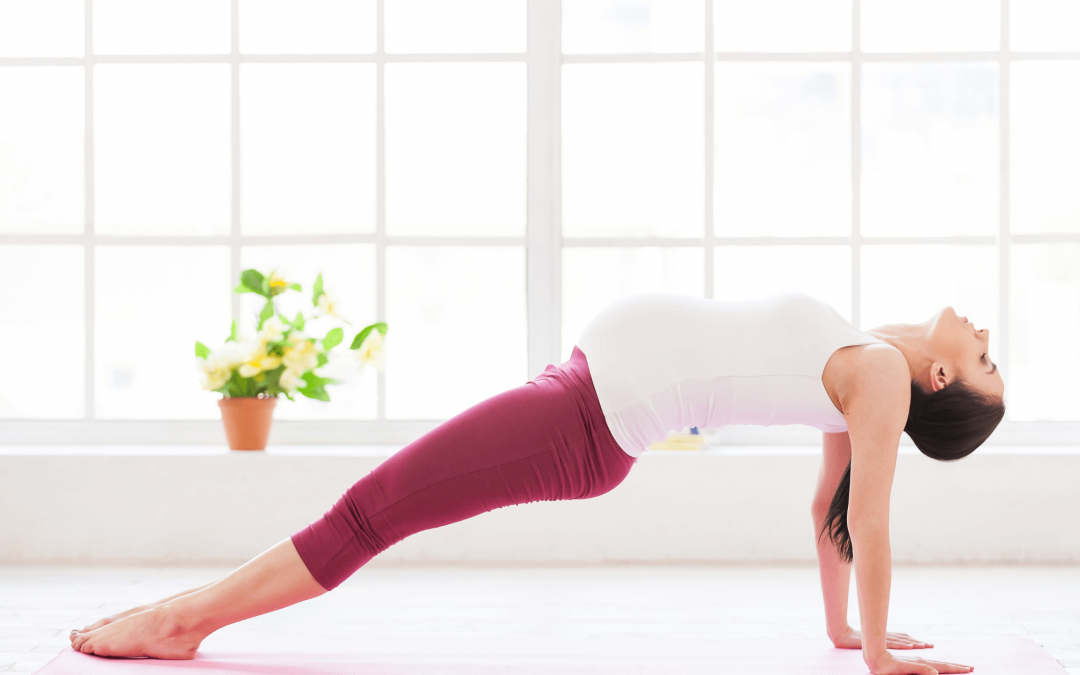
So, you have just had your baby (or babies!), and despite feeling more tired than you ever believed possible, you are starting to think about a gentle return to exercise. Your body has been through an enormous amount of stress, and you are likely to have wounds that need healing, but the pelvic floor and gentle restorative core work (focussing on deep breathing and reconnecting with your core) may commence as soon as you have had your baby. You must, however, wait until you have had your 6-week check (8-12 weeks if you have had a C-section) with your GP or health care professional before you start any formal exercise.
There are huge benefits to training in the post-natal period, as long as the proper technique is adhered to, and most importantly, that you listen to your body. It is a time of huge change, and whilst being a wonderful time, can be exhausting and stressful coping with a new baby.
Some of the benefits include:
- Being able to cope with the physical demands of looking after your baby through functional strength training
- Improved mood and sense of wellbeing
- Controlled weight loss
- Enhanced self-confidence
- Reduced stress and better sleep patterns
- Improved cardiovascular fitness
- An understanding of intrinsic core synergy, which will improve the function of the pelvic floor and safely activate the core when performing any movement
It is crucial to healing your body from the inside out with excellent nutrition and keeping well hydrated, but rest is also essential, so make sure you ask for help and put your feet up whenever you can.

by Alexandra Church | Jul 24, 2020 | Strength
The Benefits of Strength Training
Strength training is critical to our health as we age (especially once we hit 50). Women lose up to 5% of their lean muscle tissue per decade from their mid-30s onwards, and that number increases after 65. The more lean muscle mass you have, the faster your metabolism and the easier it is to lose weight and keep it off. It also decreases the risk for diabetes, stroke, heart disease and depression.
Other benefits include:
- Decreasing the risk of osteoporosis: strength training is linked to high bone mineral density for both adult men and women of all ages
- Better insulin sensitivity
- Improved brain health
- Decreasing the risk of injury by strengthening the muscles and tendons, and making you physically stronger
- Keeping you young! Strength training has been proven to reverse ageing in the skeletal muscles
- Improving your mood – especially during the hormonal fluctuations that occur during the menopause.
- Burning more calories (even at rest) due to the increase in muscle mass. Hormonal shifts during the menopause can mean the metabolism slows down, so it is even more important to increase the amount of muscle mass you have in order to combat this
- Giving you a lovely toned, a defined shape which cardio alone simply cannot do
- Improving posture and reducing back pain
- Reducing stress and anxiety; making you feel more confident. Excessive cardio can actually increase your cortisol (stress hormone) levels, which can break down the muscle mass
- Increasing your levels of testosterone. These levels in women rapidly decline as we age. Strength training can increase the levels, making you feel more focused and confident, and have the added bonus of boosting your libido!
Full body strength training should be done at least twice a week, with the final rep of each exercise being challenging. This can be done either in a gym or at home. If you don’t have any equipment, great results can be achieved through body weight resistance (e.g. press-ups, squats, tricep dips etc).
At Lagom Fitness I offer a range of resistance equipment to suit all needs, including dumbbells, resistance bands, minibands, TRX (suspension training), Whole Body Vibration Training (done on a portable Power Plate) and kettlebells.